What to Expect at Your Visit
This page is for you if you're new to Toothie Dental — or if you've been to us before but your last visit was more than six months ago.
Below: how booking works, what to bring on the day, the step-by-step of your first visit, what it costs, and what to do for any specific
needs.
For details on finding us, parking, holiday closures, and other operational specifics, follow the links to dedicated pages.
Below: how booking works, what to bring on the day, the step-by-step of your first visit, what it costs, and what to do for any specific
needs.
For details on finding us, parking, holiday closures, and other operational specifics, follow the links to dedicated pages.
Before your visit — booking and Medical History Form
Booking your appointment
You can book with us through our online booking system, by WhatsApp at 016-6020822, or by phone at the same number.
Our online booking system is available 24 hours a day, every day of the year — including evenings, weekends, and public holidays. The slots you see are real, available slots, not booking requests pending review. Clicking submit confirms your booking immediately, and the confirmation email is your booking record.
WhatsApp and phone bookings are confirmed by our team during working hours, and we'll WhatsApp you the booking details.
After we receive your booking, we'll check whether you have a valid Medical History Form on file with us. If you've completed one within the past 24 months, no action is needed from you. Otherwise, we'll WhatsApp you a Medical History Form link shortly after your booking, to fill in before your appointment. If more than one person from your family is attending, each person needs to submit their own form. If any medical terms are unfamiliar, our glossary at toothiedental.com/medical-terms can help.
We encourage you to fill in the form at home, where you can refer to your medication records and health information easily. Filling it in before you arrive lets us use your appointment time for what can only be done in the clinic — the examination, X-rays if needed, the discussion of treatment options, and the conversation about risks and complications. You can fill it in on your handphone in our waiting area if you need to, but this will reduce your appointment time.
We'll WhatsApp you again closer to the appointment if there's anything else specific to prepare for the day.
For the full details on booking confirmation, the 24-hour confirmation step, cancellation, late arrival, and deposits, please see our Booking and Appointment Policy.
Our online booking system is available 24 hours a day, every day of the year — including evenings, weekends, and public holidays. The slots you see are real, available slots, not booking requests pending review. Clicking submit confirms your booking immediately, and the confirmation email is your booking record.
WhatsApp and phone bookings are confirmed by our team during working hours, and we'll WhatsApp you the booking details.
After we receive your booking, we'll check whether you have a valid Medical History Form on file with us. If you've completed one within the past 24 months, no action is needed from you. Otherwise, we'll WhatsApp you a Medical History Form link shortly after your booking, to fill in before your appointment. If more than one person from your family is attending, each person needs to submit their own form. If any medical terms are unfamiliar, our glossary at toothiedental.com/medical-terms can help.
We encourage you to fill in the form at home, where you can refer to your medication records and health information easily. Filling it in before you arrive lets us use your appointment time for what can only be done in the clinic — the examination, X-rays if needed, the discussion of treatment options, and the conversation about risks and complications. You can fill it in on your handphone in our waiting area if you need to, but this will reduce your appointment time.
We'll WhatsApp you again closer to the appointment if there's anything else specific to prepare for the day.
For the full details on booking confirmation, the 24-hour confirmation step, cancellation, late arrival, and deposits, please see our Booking and Appointment Policy.
The Medical History Form
The Medical History Form is what allows us to plan treatment safely. Different rules apply depending on whether this is your first visit with us or you've been to us before.
Medical History Form for your first visit
Shortly after your booking, we'll WhatsApp you a Medical History Form link to fill in before your appointment. We encourage you to fill it in at home, where you can refer to your medication records, prescriptions, hospital discharge letters, and any recent medical reports.
Filling the form in advance lets us use your appointment time for what can only be done in the clinic — the examination, X-rays if needed, discussion of treatment options, and the conversation about consent and risks.
If you weren't able to fill it at home, you can fill it on your handphone in our waiting area when you arrive — but this will reduce your treatment time.
If more than one person from your family is attending, each person needs to submit their own form.
Filling the form in advance lets us use your appointment time for what can only be done in the clinic — the examination, X-rays if needed, discussion of treatment options, and the conversation about consent and risks.
If you weren't able to fill it at home, you can fill it on your handphone in our waiting area when you arrive — but this will reduce your treatment time.
If more than one person from your family is attending, each person needs to submit their own form.
For subsequent visits
If you've been to us before, your Medical History Form is already on file. On arrival, our front-desk team will show you your previously filled medical history on one of our Patient Kiosk tablets — available in our Waiting Area and at the Receptionist area.
You'll be asked to fill in a quick Pre-treatment Medical History Form on the same tablet — just to capture anything that's changed since your last visit: new medications, new diagnoses, recent hospitalisations, new allergies or reactions, current pregnancy if applicable, anything else relevant.
This takes about 2–3 minutes. It happens before you enter the treatment room.
If your full Medical History Form is more than 24 months old, we'll ask you to refill it before your visit (we'll WhatsApp the link, same as a first visit). The reason: health and circumstances change, and we'd rather work from current information than two-year-old data.
You'll be asked to fill in a quick Pre-treatment Medical History Form on the same tablet — just to capture anything that's changed since your last visit: new medications, new diagnoses, recent hospitalisations, new allergies or reactions, current pregnancy if applicable, anything else relevant.
This takes about 2–3 minutes. It happens before you enter the treatment room.
If your full Medical History Form is more than 24 months old, we'll ask you to refill it before your visit (we'll WhatsApp the link, same as a first visit). The reason: health and circumstances change, and we'd rather work from current information than two-year-old data.
Why we ask your Medical History
Medications you're taking can interact with dental anaesthetics or affect healing. Medical conditions — blood pressure, diabetes, heart conditions — affect our treatment choices. Allergies you've had reactions to must be known before any procedure. Surgical histories (pacemakers, joint replacements) may require additional precautions.
This isn't overkill for a simple cleaning. Even routine procedures put stress on the body, and that stress can trigger reactions we wouldn't have anticipated without the information. The form only works if you engage with it honestly — if you're not sure about something, please write "not sure". That's a valid answer that lets us ask follow-up questions.
If you have a long medication list or a complex medical history, please bring relevant documents — prescriptions, medication packaging, hospital discharge letters, or recent medical reports. You can also upload digital copies through the "Upload File" option in the form itself, before your visit. We can fill in any gaps together at the consultation.
If any medical terms are unfamiliar, our glossary at toothiedental.com/medical-terms can help.
For full details on booking confirmation, the 24-hour confirmation step, cancellation, late arrival, and deposits, see our Booking and Appointment Policy.
This isn't overkill for a simple cleaning. Even routine procedures put stress on the body, and that stress can trigger reactions we wouldn't have anticipated without the information. The form only works if you engage with it honestly — if you're not sure about something, please write "not sure". That's a valid answer that lets us ask follow-up questions.
If you have a long medication list or a complex medical history, please bring relevant documents — prescriptions, medication packaging, hospital discharge letters, or recent medical reports. You can also upload digital copies through the "Upload File" option in the form itself, before your visit. We can fill in any gaps together at the consultation.
If any medical terms are unfamiliar, our glossary at toothiedental.com/medical-terms can help.
For full details on booking confirmation, the 24-hour confirmation step, cancellation, late arrival, and deposits, see our Booking and Appointment Policy.
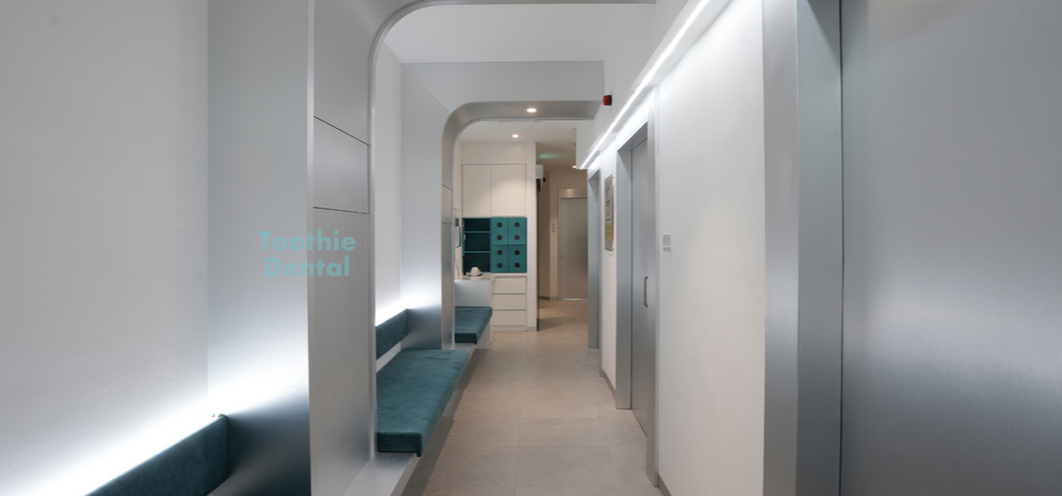
What to bring on the day
For every visit, please bring:
For specific visit types — first dental check-up, root canal treatment, crown fitting, surgical extraction, paediatric visits, and others — we send a customised checklist via WhatsApp a few days before your appointment. The checklist is specific to the procedure and sometimes specific to your individual circumstances (for example, an RCT checklist for a patient on blood-thinners differs from one for a patient with no medical conditions).
Watch for the WhatsApp message. If anything in the checklist isn't clear, reply with your question — we'd rather answer one in advance than have you arrive unprepared.
We don't publish these checklists on the website because they're often customised per patient.
- Photo ID — MyKad, MyKid, or passport (required for identity verification)
- A list of any medications you're currently taking — bring the original packaging if possible
- Recent medical reports if you have a complex medical history, including hospital discharge letters or specialist reports
For specific visit types — first dental check-up, root canal treatment, crown fitting, surgical extraction, paediatric visits, and others — we send a customised checklist via WhatsApp a few days before your appointment. The checklist is specific to the procedure and sometimes specific to your individual circumstances (for example, an RCT checklist for a patient on blood-thinners differs from one for a patient with no medical conditions).
Watch for the WhatsApp message. If anything in the checklist isn't clear, reply with your question — we'd rather answer one in advance than have you arrive unprepared.
We don't publish these checklists on the website because they're often customised per patient.
At Your First Visit
A first visit usually takes 45 to 60 minutes. Here's what happens, step by step.
1. Welcome and check-in (about 5 minutes)
Our front-desk team will greet you, pull up your Medical History Form, and answer any questions about it. If you weren't able to complete the form ahead of time, you can fill it in on your handphone while seated in our waiting area. Filtered water is available, and the toilet is signposted.
2. Medical history review (about 5 to 10 minutes)
Our medical history form is a few pages long. That sometimes surprises new patients, especially if previous clinics have only asked a single yes-or-no question. Every question on the form is there for a clinical reason:
This isn't overkill for a simple cleaning. Even routine procedures put stress on the body, and that stress can trigger reactions we wouldn't have anticipated without information. The medical history form is what allows us to prepare.
It only works if you engage with it honestly. The form isn't asking you to diagnose yourself — it's asking what you do know. If you're not sure about something, please write "not sure". "I don't know" is a valid answer that lets us ask follow-up questions and adjust treatment accordingly.
If you've ticked "not sure" on more than a couple of questions, or if you have a long medication list, please bring relevant documents to your appointment — prescriptions, medication packaging, hospital discharge letters, or recent medical reports. We can fill in the gaps together at your visit, and the more accurate your information, the safer we can make your treatment.
If you find yourself wondering whether something is worth mentioning — a daily medication, a condition you've been told about, an allergy you've had a reaction to — please mention it. We can plan around things we know about; we can't plan around things we don't.
If a question doesn't seem to apply to you, or if you're not sure why we're asking, please tell us — we're happy to explain.
3. Examination (about 15 to 20 minutes)
The dentist will examine your teeth, gums, and surrounding tissues. Depending on your situation, this may include:
The dentist will tell you what they're doing at each step, and you can ask to stop or pause at any time.
4. Discussion and treatment plan (about 10 to 15 minutes)
After the examination, the dentist will sit with you and explain what they've found, using plain language. We use the intra-oral camera images and any X-rays to show you what's happening in your mouth, rather than just describing it.
If treatment is needed, you'll see:
You won't be asked to commit to treatment on the day. We'd rather you take the written plan home, talk it over with family, get a second opinion if you want one, and come back when you've had time to think it through.
5. What you leave with
At the end of your visit, you'll have:
1. Welcome and check-in (about 5 minutes)
Our front-desk team will greet you, pull up your Medical History Form, and answer any questions about it. If you weren't able to complete the form ahead of time, you can fill it in on your handphone while seated in our waiting area. Filtered water is available, and the toilet is signposted.
2. Medical history review (about 5 to 10 minutes)
Our medical history form is a few pages long. That sometimes surprises new patients, especially if previous clinics have only asked a single yes-or-no question. Every question on the form is there for a clinical reason:
- Medications you're taking can interact with dental anaesthetics or affect healing
- Medical conditions you've been told about — blood pressure, diabetes, heart conditions — affect our treatment choices
- Allergies you've had reactions to must be known before any procedure
- Surgeries or implants like pacemakers or joint replacements may require additional precautions
This isn't overkill for a simple cleaning. Even routine procedures put stress on the body, and that stress can trigger reactions we wouldn't have anticipated without information. The medical history form is what allows us to prepare.
It only works if you engage with it honestly. The form isn't asking you to diagnose yourself — it's asking what you do know. If you're not sure about something, please write "not sure". "I don't know" is a valid answer that lets us ask follow-up questions and adjust treatment accordingly.
If you've ticked "not sure" on more than a couple of questions, or if you have a long medication list, please bring relevant documents to your appointment — prescriptions, medication packaging, hospital discharge letters, or recent medical reports. We can fill in the gaps together at your visit, and the more accurate your information, the safer we can make your treatment.
If you find yourself wondering whether something is worth mentioning — a daily medication, a condition you've been told about, an allergy you've had a reaction to — please mention it. We can plan around things we know about; we can't plan around things we don't.
If a question doesn't seem to apply to you, or if you're not sure why we're asking, please tell us — we're happy to explain.
3. Examination (about 15 to 20 minutes)
The dentist will examine your teeth, gums, and surrounding tissues. Depending on your situation, this may include:
- A visual examination of each tooth and your gums
- Photographs taken using an intra-oral camera, so you can see what the dentist sees
- X-rays if clinically indicated — we don't take X-rays routinely, only when they'll help with diagnosis
- A periodontal check to assess gum health
The dentist will tell you what they're doing at each step, and you can ask to stop or pause at any time.
4. Discussion and treatment plan (about 10 to 15 minutes)
After the examination, the dentist will sit with you and explain what they've found, using plain language. We use the intra-oral camera images and any X-rays to show you what's happening in your mouth, rather than just describing it.
If treatment is needed, you'll see:
- All reasonable options — including the option to wait or do nothing, where that's clinically safe
- Realistic timelines and costs for each option
- Risks explained clearly, in everyday language
You won't be asked to commit to treatment on the day. We'd rather you take the written plan home, talk it over with family, get a second opinion if you want one, and come back when you've had time to think it through.
5. What you leave with
At the end of your visit, you'll have:
- A written treatment plan with options, timelines, and ranges of cost
- A signed acknowledgement that the dentist has discussed findings, options, and risks with you
- Answers to any questions you raised
- A clear sense of what to do next — whether that's booking treatment, returning for a recall in a few months, or knowing that nothing needs doing right now
If it's been a while since your last visit
If you're an existing patient who hasn't been in for more than six months, you're in roughly the same position as a new patient — and we treat the visit accordingly.
This sometimes surprises people. "But you've seen me before. Why do this all over again?"
The honest answer: your mouth changes more than you'd think. In six to twelve months, new cavities can form, gum disease can develop or worsen, and a filling that was fine last year may now have a small problem you can't see or feel. Your medical conditions may have changed. Your medications may have changed. You may have noticed new symptoms or reactions. We can't responsibly continue from where we left off without knowing what's happened since.
So when you come back after a long gap, we redo:
This isn't about charging more. It's about giving you the same standard of care a new patient would receive, because that's what your situation now warrants. If we skipped it and missed something that developed while you were away, the cost — clinical and financial — would be much higher than the cost of doing the check properly.
This sometimes surprises people. "But you've seen me before. Why do this all over again?"
The honest answer: your mouth changes more than you'd think. In six to twelve months, new cavities can form, gum disease can develop or worsen, and a filling that was fine last year may now have a small problem you can't see or feel. Your medical conditions may have changed. Your medications may have changed. You may have noticed new symptoms or reactions. We can't responsibly continue from where we left off without knowing what's happened since.
So when you come back after a long gap, we redo:
- A fresh medical history. If your full Medical History Form is more than 24 months old, we'll ask you to refill it before your visit (we'll WhatsApp the link). If it's still valid but you haven't been in for over six months, you'll fill the quick Pre-treatment Medical History Form on the Patient Kiosk tablet on arrival, the same as any subsequent visit — but we'll be especially attentive to anything that's changed.
- A new examination (so we see what's actually there now, not what was there a year ago)
- New X-rays if clinically indicated — only when they'll help, not as a default
This isn't about charging more. It's about giving you the same standard of care a new patient would receive, because that's what your situation now warrants. If we skipped it and missed something that developed while you were away, the cost — clinical and financial — would be much higher than the cost of doing the check properly.
What it costs
A first visit at Toothie Dental is a Comprehensive Treatment Planning Consultation, which includes:
If you decide to proceed with any treatment, procedure-specific informed consent is signed at the start of each treatment visit — before that procedure begins. The consultation creates the plan; consent for each procedure happens when you're ready to proceed.
If X-rays are clinically indicated, the X-ray cost is separate from the consultation.
We charge the same rate for all patients — adults, children, senior citizens, local, or overseas. Our pricing is based on the procedure (what work is done), not the patient (who you are). We don't offer a separate children's rate, senior discount, or student package.
We discuss all costs upfront, before any procedure begins. If your situation changes during a visit and we think a different procedure would help, we'll explain why, give you a fresh estimate, and ask for your decision before doing anything.
There aren't add-on charges you weren't told about, and we don't run "today only" pricing — we don't think dental decisions should be made under that kind of pressure.
Full pricing detail will be on our Pricing page when published. For now, WhatsApp or call us at 016-6020822 for specific quotes.
- Clinical review with the dentist
- Intra-oral photographs so you can see what the dentist sees
- Discussion of findings and treatment options
- Risk assessment for each option
- A written treatment plan with timelines and ranges of cost
- Signed acknowledgement that we've discussed findings, options, and risks with you
If you decide to proceed with any treatment, procedure-specific informed consent is signed at the start of each treatment visit — before that procedure begins. The consultation creates the plan; consent for each procedure happens when you're ready to proceed.
If X-rays are clinically indicated, the X-ray cost is separate from the consultation.
We charge the same rate for all patients — adults, children, senior citizens, local, or overseas. Our pricing is based on the procedure (what work is done), not the patient (who you are). We don't offer a separate children's rate, senior discount, or student package.
We discuss all costs upfront, before any procedure begins. If your situation changes during a visit and we think a different procedure would help, we'll explain why, give you a fresh estimate, and ask for your decision before doing anything.
There aren't add-on charges you weren't told about, and we don't run "today only" pricing — we don't think dental decisions should be made under that kind of pressure.
Full pricing detail will be on our Pricing page when published. For now, WhatsApp or call us at 016-6020822 for specific quotes.
Insurance, medical cards, and TPA panels
This is worth explaining honestly because it affects what you pay and where you go for dental care.
If you have insurance you claim back yourselfMany personal health insurance plans and corporate health benefits work this way — you pay us, and you submit your claim to your insurer. As standard, we provide an itemised receipt and a basic treatment summary, which is what most insurers need.
If your insurer asks for additional paperwork — detailed clinical reports, custom claim forms, copies of X-rays in specific formats, or follow-up correspondence on your behalf — these take administrative time to prepare, and we charge a separate fee for them. See Documentation Services on our Pricing page for the fee structure. We'll quote your specific case upfront once we know what your insurer wants.
If you have MCO or TPA coverageIf you have coverage through a Managed Care Organisation (MCO) or Third Party Administrator (TPA), the clinic must be on the MCO/TPA panel to bill them directly. We're not on any TPA panels.
We've made this choice on principle. The Malaysian Dental Council's 2022 Code of Professional Conduct (page 21) addresses MCO arrangements directly. The MDC notes that MCOs sometimes request lower professional fees, sometimes restrict practitioners' ability to refer patients to specialists, and sometimes constrain the medical or dental management of patients. The MDC states that these practices raise ethical concerns. We share that view, and we don't enter arrangements that would compromise our professional duty to recommend what's best for each patient.
The trade-off, which you carry, is administrative: you pay us directly at the time of service, and if your insurance covers dental treatment, you handle the claim with your insurer yourself. For panel-only plans, you may not be able to claim back at all if your plan doesn't allow non-panel reimbursement. We've made this trade-off deliberately because we believe clinical independence — the freedom to recommend what's right for you, not what fits panel constraints — is worth the administrative cost to you.
This same principle underlies several of our operational choices, including our decision not to bulk-purchase high-cost materials (see our Pricing page). Each structural choice removes a financial pressure that could otherwise bias clinical decisions.
This is about our own position, not a comment on what other clinics choose. Different practices have different circumstances, and panel arrangements work for some clinics and patients. We've made the choice that fits how we want to operate.
What this means for you in practice
If you have insurance you claim back yourselfMany personal health insurance plans and corporate health benefits work this way — you pay us, and you submit your claim to your insurer. As standard, we provide an itemised receipt and a basic treatment summary, which is what most insurers need.
If your insurer asks for additional paperwork — detailed clinical reports, custom claim forms, copies of X-rays in specific formats, or follow-up correspondence on your behalf — these take administrative time to prepare, and we charge a separate fee for them. See Documentation Services on our Pricing page for the fee structure. We'll quote your specific case upfront once we know what your insurer wants.
If you have MCO or TPA coverageIf you have coverage through a Managed Care Organisation (MCO) or Third Party Administrator (TPA), the clinic must be on the MCO/TPA panel to bill them directly. We're not on any TPA panels.
We've made this choice on principle. The Malaysian Dental Council's 2022 Code of Professional Conduct (page 21) addresses MCO arrangements directly. The MDC notes that MCOs sometimes request lower professional fees, sometimes restrict practitioners' ability to refer patients to specialists, and sometimes constrain the medical or dental management of patients. The MDC states that these practices raise ethical concerns. We share that view, and we don't enter arrangements that would compromise our professional duty to recommend what's best for each patient.
The trade-off, which you carry, is administrative: you pay us directly at the time of service, and if your insurance covers dental treatment, you handle the claim with your insurer yourself. For panel-only plans, you may not be able to claim back at all if your plan doesn't allow non-panel reimbursement. We've made this trade-off deliberately because we believe clinical independence — the freedom to recommend what's right for you, not what fits panel constraints — is worth the administrative cost to you.
This same principle underlies several of our operational choices, including our decision not to bulk-purchase high-cost materials (see our Pricing page). Each structural choice removes a financial pressure that could otherwise bias clinical decisions.
This is about our own position, not a comment on what other clinics choose. Different practices have different circumstances, and panel arrangements work for some clinics and patients. We've made the choice that fits how we want to operate.
What this means for you in practice
- If your insurance reimburses you directly: book with us normally. Standard itemised receipts and treatment summaries are included; detailed reports or custom claim forms carry a separate administrative fee, which we quote upfront.
- If your coverage is panel-based and we're not on your panel: you can still treat with us, but you'd need to pay us directly. Some panel-based plans allow this with later reimbursement to you; others don't. Check with your insurer before booking.
- If you're not sure: call or WhatsApp us before booking. We can usually tell you what's possible.
If you have specific needs
Some patients need a different pace at the dentist. The reason varies — a previous dental visit went badly, a long gap since the last dentist, general anxiety, or just wanting more time to feel comfortable.
Whatever the reason, please tell us in advance — by WhatsApp, by phone, or in the notes field of your booking form. We'll plan the appointment around what you need.
What we can usually arrange
- Extra appointment time so we're not rushed and breaks can be built in. Standard appointments include a reasonable buffer for ordinary needs; for genuinely extended slots, the appointment fee reflects the additional time booked, which we quote upfront when you book.
- A pre-visit walk-through — for severe anxiety, we can send you photos and a short video of the clinic and treatment area via WhatsApp, so you can review at home before treatment day. For more severe cases, we can arrange a short in-person walk-through so you can see the space and meet the team before the actual appointment. In-person walk-throughs must be pre-arranged with us and scheduled within our regular working hours.
- A clear stop signal — raise your hand, we stop. We honour it every time.
- Reducing visual and auditory stimulation where possible — instruments kept out of sight until needed, a quieter pace, advance warning before each step
- A slower pace and advance warning before each step — we explain and show what we're about to do before we do it.
- YouTube on our in-chair screen — choose what you want to watch and let it play while you lie back during treatment
- Shoulder speakers for audio — worn around your neck rather than in your ears, so it's more hygienic, and importantly, we can still hear each other clearly. That matters during treatment, because the dentist often needs to ask you to adjust your head position, open wider, hold still for a moment, or check whether anything feels uncomfortable.
- Dark sunglasses for the overhead light if you don't wear prescription glasses. If you wear prescription glasses, you're welcome to keep them on with a clear protective cover that fits over them.
About chair positioning during treatment
Most dental procedures need you to recline in the dental chair at or near a fully supine position. There are two reasons:
- Clinical access and precision. The dentist needs clear, direct visual access to your mouth with proper lighting angle. Working on a patient sitting upright or partially upright forces the dentist into compromised positions where precision drops significantly — and precision matters when we're working with fine margins on your teeth.
- Long-term safety for the people treating you. Dentists who work in awkward positions cause themselves serious musculoskeletal injury — chronic back, neck, shoulder, and arm conditions are well documented in our profession. This isn't a comfort preference; it's how we maintain the ability to work safely and precisely on you, today and over many years.
The recline angle itself isn't something we can compromise on. What we can adjust for your comfort during the recline: support your back with extra pillows, build in frequent breaks, break long procedures into shorter sessions across multiple visits.
If you're worried about reclining — back pain, acid reflux, sleep apnoea, vertigo, late pregnancy, or specific cardiac or respiratory conditions — please tell us in advance so we can plan the breaks and session length accordingly.
For situations where reclining isn't possible at all due to a medical condition, hospital-based dentistry — where you can be positioned differently with proper medical monitoring — is the right setting. We'd refer you to a hospital with a dental department rather than work around limitations that compromise either your treatment or our ability to do the work properly.
What we'll refer out
For treatment that needs IV sedation, nitrous oxide ("happy gas"), or general anaesthesia — these are beyond what we offer as a general dental clinic. We'll refer you to a hospital with a dental department that's set up for this kind of care. We'd rather you get the right help than push through with us when something more is needed.
This applies to children, adults, and elderly patients equally. The principle is the same in every case: tell us in advance, and we'll plan around your needs.
Bringing your child for the first time
Children's first dental visits often set the tone for how they feel about dental care for years afterwards. We recommend bringing your child in around their first birthday, or when their first tooth appears — whichever comes first.
For a full guide to children's first visits — what happens, how to prepare your child, what to say and what to avoid saying, school holiday checkup timing, and answers to common parent questions — see our Children's Dentistry → page.
For a full guide to children's first visits — what happens, how to prepare your child, what to say and what to avoid saying, school holiday checkup timing, and answers to common parent questions — see our Children's Dentistry → page.
Bringing family with you
Family members are welcome to come with you to the clinic. There are sensible boundaries for safety, privacy, and clinical work.
During consultation and discussion
One family member is welcome to stay with you during the medical history review, the discussion of findings, and the conversation about treatment options. This is helpful for asking questions, taking notes, and being part of the decision.
During the actual procedure or examination
We generally ask family members to wait in our Waiting Area during the clinical work itself. The reasons are practical:
- Dental treatment rooms are compact, and we work with sharp instruments — needles, scalers, rotating drills. An accompanying person close to the chair (leaning in, holding hands, moving suddenly) is at real risk of injury, and can also affect our work.
- For privacy, we close the treatment room door when other patients are present in the clinic. When no other patients are around, we're happy to leave the door open so your family member can still see and hear what's happening.
For patients below 18 years old
A parent or legal guardian must accompany any patient below 18 years old to the clinic, and must be available throughout the visit for the discussion moments. For the clinical examination and treatment itself, the child is with the dentist alone, while the parent waits just outside. This setup helps the child build their own relationship with the clinic. (See Children's Dentistry → for the full reasoning.)
Specific situations to flag at booking
Please mention any of these when you book — we can't make arrangements on the day if we don't know in advance:
- Language barriers where a family member needs to translate the consultation — tell us so we can plan time for translation
- Elderly patients who need support — a family member can usually sit in for the consultation parts of the visit
- Other situations where you'd like a family member present for specific parts — we can usually work something out, but only if we know ahead of time
For specific details — where to find them
What you need |
Where it lives |
Finding us — address, landmarks, MRT walking time, Grab guidance |
|
Parking — visitor parking, our two reserved bays (#05 and #06), street parking, overflow |
|
Wheelchair accessibility — important note: we're on the first floor with stairs only, no lift |
|
Holiday closures — current schedule of when we're closed |
|
Our approach to ethics and care — why we work the way we do |
|
Booking, cancellation, deposit, and late-arrival policies |
|
Pricing detail |
Pricing → (page coming soon) |
Privacy notice (PDPA) |
|
Children's dentistry — first visits, school holiday checkups, tooth markings, common parent questions |
|
Dental pain & emergencies — what to do if something has just happened, when to reach us, when to go to A&E |
Frequently asked questions
Q. How long does a first visit take?
A: Usually 45 to 60 minutes. Allow a little extra time if you're new to the area or unfamiliar with parking.
Q. Can I be treated on the same day as my first visit?
A: Sometimes, for simple issues like a routine cleaning or a small filling. For more complex treatment, we generally schedule a separate appointment so you have time to consider your options and we have time to prepare properly.
Q. Will it hurt?
A: The examination itself doesn't hurt. If treatment is needed, we use local anaesthesia and discuss pain management with you before we start. We won't proceed with anything you're not comfortable with.
Q. Do you accept walk-ins?
A: For dental emergencies, yes — call or WhatsApp us at 016-6020822 and we'll do our best to fit you in. For non-emergency first visits, please book in advance so we can allocate proper time.
Q. What if I'm running late?
A: Let us know by phone or WhatsApp as soon as you can. If you arrive within 10 minutes of your appointment, we'll try to see you, though we may need to shorten your treatment. More than 10 minutes late may mean we need to rebook. See our cancellation and late arrival policy above for full details.
Q. Do you accept insurance or medical cards?
A: We're not on any TPA panels. If your insurance reimburses you directly after you pay us, book with us normally. If your coverage is panel-based, you'd need to pay us and check with your insurer about reimbursement. WhatsApp or call us before booking if you're unsure. Full explanation is in the Insurance section above.
Q. Can I bring a family member with me?
A: Yes, within sensible boundaries. A family member can stay with you during the medical history review and the discussion of treatment options. During the actual procedure or examination, family members wait in our Waiting Area for safety and privacy reasons. For patients below 18 years old, a parent or legal guardian must accompany the patient to the clinic and be available for discussions, but is not present in the room during the clinical work. See the "Bringing family with you" section above for the full breakdown.
Q. What if I need to cancel?
A: Please give us at least 24 hours' notice. For Monday appointments, please notify us by Saturday 6:00 PM. Our full cancellation, late arrival, and deposit policy is in the section above — including how we approach repeated cancellations.
Q. I've been a patient before — do I really need to redo everything if I haven't been in for a year?
A: Yes — please see "If it's been a while since your last visit" above for the full explanation. The short version: your mouth and your health change more than most people realise in six to twelve months, and we'd rather rebuild a current picture than work from one that's out of date.
Q: Do I need to fill in a new medical history form every visit?A: For your first visit, you'll fill in our full Medical History Form before you arrive — we send the link by WhatsApp shortly after you book. For subsequent visits, your previous form is already on file. On arrival, you'll be shown your existing record on one of our Patient Kiosk tablets (available in our Waiting Area and at the Receptionist area) and asked to fill in a quick Pre-treatment Medical History Form to capture anything that's changed since your last visit — new medications, new diagnoses, recent hospitalisations, new allergies, current pregnancy, anything else relevant. This takes about 2 to 3 minutes. If your full Medical History Form is more than 24 months old, we'll ask you to refill it before your visit — health and circumstances change, and we work from current information.
Q: Why do I need to fill in a detailed medical history before the dentist even examines my teeth?
A: Before examining your teeth, the dentist doesn't yet know exactly what treatment may be needed. Something that feels like a simple filling sometimes turns out to need local anaesthesia, an extraction, antibiotics, or X-rays. Something that feels like a simple scaling sometimes turns out to involve gum infection requiring deeper treatment. Reviewing your medical history before the examination means that whatever treatment turns out to be needed can be planned safely from the start — rather than finding out about an allergy or a blood-thinning medication only after a procedure has begun. You're not expected to diagnose yourself or know medical terms; if you're unsure about any question, just write "not sure" and we'll go through it together at your visit.
Q: Why can't the receptionist fill in the medical history form for me?
A: The medical history form records your own health information — medical conditions, medications, allergies, past surgeries. It's most accurate when you fill it in directly, because the information is best confirmed by the person whose health it describes. If details are communicated verbally to a staff member who then writes them down, there's a higher chance of misheard or misunderstood entries. Filling the form yourself also gives you time to check things you may not remember off the top of your head — medication names, past diagnoses, allergy details. The dentist will still review everything with you at your visit, and we'll go through anything you've marked "not sure" together.
A: Usually 45 to 60 minutes. Allow a little extra time if you're new to the area or unfamiliar with parking.
Q. Can I be treated on the same day as my first visit?
A: Sometimes, for simple issues like a routine cleaning or a small filling. For more complex treatment, we generally schedule a separate appointment so you have time to consider your options and we have time to prepare properly.
Q. Will it hurt?
A: The examination itself doesn't hurt. If treatment is needed, we use local anaesthesia and discuss pain management with you before we start. We won't proceed with anything you're not comfortable with.
Q. Do you accept walk-ins?
A: For dental emergencies, yes — call or WhatsApp us at 016-6020822 and we'll do our best to fit you in. For non-emergency first visits, please book in advance so we can allocate proper time.
Q. What if I'm running late?
A: Let us know by phone or WhatsApp as soon as you can. If you arrive within 10 minutes of your appointment, we'll try to see you, though we may need to shorten your treatment. More than 10 minutes late may mean we need to rebook. See our cancellation and late arrival policy above for full details.
Q. Do you accept insurance or medical cards?
A: We're not on any TPA panels. If your insurance reimburses you directly after you pay us, book with us normally. If your coverage is panel-based, you'd need to pay us and check with your insurer about reimbursement. WhatsApp or call us before booking if you're unsure. Full explanation is in the Insurance section above.
Q. Can I bring a family member with me?
A: Yes, within sensible boundaries. A family member can stay with you during the medical history review and the discussion of treatment options. During the actual procedure or examination, family members wait in our Waiting Area for safety and privacy reasons. For patients below 18 years old, a parent or legal guardian must accompany the patient to the clinic and be available for discussions, but is not present in the room during the clinical work. See the "Bringing family with you" section above for the full breakdown.
Q. What if I need to cancel?
A: Please give us at least 24 hours' notice. For Monday appointments, please notify us by Saturday 6:00 PM. Our full cancellation, late arrival, and deposit policy is in the section above — including how we approach repeated cancellations.
Q. I've been a patient before — do I really need to redo everything if I haven't been in for a year?
A: Yes — please see "If it's been a while since your last visit" above for the full explanation. The short version: your mouth and your health change more than most people realise in six to twelve months, and we'd rather rebuild a current picture than work from one that's out of date.
Q: Do I need to fill in a new medical history form every visit?A: For your first visit, you'll fill in our full Medical History Form before you arrive — we send the link by WhatsApp shortly after you book. For subsequent visits, your previous form is already on file. On arrival, you'll be shown your existing record on one of our Patient Kiosk tablets (available in our Waiting Area and at the Receptionist area) and asked to fill in a quick Pre-treatment Medical History Form to capture anything that's changed since your last visit — new medications, new diagnoses, recent hospitalisations, new allergies, current pregnancy, anything else relevant. This takes about 2 to 3 minutes. If your full Medical History Form is more than 24 months old, we'll ask you to refill it before your visit — health and circumstances change, and we work from current information.
Q: Why do I need to fill in a detailed medical history before the dentist even examines my teeth?
A: Before examining your teeth, the dentist doesn't yet know exactly what treatment may be needed. Something that feels like a simple filling sometimes turns out to need local anaesthesia, an extraction, antibiotics, or X-rays. Something that feels like a simple scaling sometimes turns out to involve gum infection requiring deeper treatment. Reviewing your medical history before the examination means that whatever treatment turns out to be needed can be planned safely from the start — rather than finding out about an allergy or a blood-thinning medication only after a procedure has begun. You're not expected to diagnose yourself or know medical terms; if you're unsure about any question, just write "not sure" and we'll go through it together at your visit.
Q: Why can't the receptionist fill in the medical history form for me?
A: The medical history form records your own health information — medical conditions, medications, allergies, past surgeries. It's most accurate when you fill it in directly, because the information is best confirmed by the person whose health it describes. If details are communicated verbally to a staff member who then writes them down, there's a higher chance of misheard or misunderstood entries. Filling the form yourself also gives you time to check things you may not remember off the top of your head — medication names, past diagnoses, allergy details. The dentist will still review everything with you at your visit, and we'll go through anything you've marked "not sure" together.
Ready to book your first visit?
Or contact us directly:
- WhatsApp / Phone: 016-6020822
- Email: [email protected]
If you're in pain or have an emergency
This page is about planned first visits. If something has just happened — a tooth has been knocked out, you're in severe pain, or you have facial swelling — see our Dental Pain & Emergencies → page. It covers what to do, how to reach us in an emergency, and when to go to A&E.
TOOTHIE DENTAL
Klinik Pergigian Toothie Dental
SO-1-03, Soho Trio Permai, Tingkat 1, Jalan Equine,
Taman Equine, Bandar Putra Permai,
43300 Seri Kembangan, Selangor Darul Ehsan
□ 016-602 0822 | □ WhatsApp | □ Email
⏰ Mon–Fri: 9:00 AM – 1:00 PM | 2:00 PM – 6:00 PM
(Closed for lunch 1:00 PM – 2:00 PM)
Closed Saturday, Sunday, and certain public holidays
Home | Online Booking | What to Expect | Our Approach | Booking Policy | Privacy Notice
© 2026 Toothie Dental. All rights reserved.